Get a Free Trial

Mobile Learning in the Hybrid Workplace: Bridging the Office-Home Divide

With the evolution of the workplace landscape, mobile learning has transformed from a convenience to a necessity. According to research, 87% of executives expect to see increased hybrid work flexibility in their organizations, making mobile-first learning strategies crucial for modern workforce development.

Mobile-First Learning Strategies: The New Normal

The concept of “mobile-first” isn’t just about making content accessible on smartphones; it’s about reimagining learning for a workforce constantly in motion. A study reveals that employees retain 25% more information when learning through mobile devices compared to traditional desktop methods.

Successful mobile learning implementation hinges on strategically designed bite-sized content modules, typically spanning 3-5 minutes, which optimize attention spans and retention. These modules are enhanced through rich media integration, combining videos, audio clips, and interactive elements for engaging learning experiences. The strategy leverages native mobile features like touch interactions, swipe navigation, and location-based learning capabilities, making the learning process more intuitive and contextually relevant for modern learners.

According to a study, organizations implementing mobile-first learning strategies see a 43% increase in employee engagement and a 56% improvement in knowledge retention.

Synchronous vs Asynchronous Learning: Finding the Right Balance

The hybrid workplace demands a thoughtful blend of both learning approaches. A Report highlights that 76% of employees prefer a mix of synchronous and asynchronous learning opportunities. The integration of synchronous and asynchronous learning, coupled with accessibility features and seamless cross-device experiences, creates a comprehensive learning ecosystem that transcends traditional workplace boundaries.

In modern workplace learning, synchronous methods excel through real-time collaboration, instant feedback loops, and dynamic social interactions among learners. Complementing this, asynchronous learning offers flexible progression tailored to individual schedules, accommodates global time zones, and reduces mental fatigue by allowing learners to absorb content at their own pace. This dual approach maximizes learning effectiveness.

Research suggests that organizations offering both learning modes see a 34% higher completion rate in their training programs.

Accessibility: Breaking Down Barriers

The World Economic Forum highlights that digital learning accessibility transcends mere compliance, forming the cornerstone of inclusive organizational growth. Technical accessibility encompasses essential features like offline access capabilities, low-bandwidth options for diverse connectivity environments, and support for multiple file formats. Content accessibility further enhances this approach through comprehensive multi-language support, screen reader compatibility for visually impaired users, and closed captioning, ensuring learning opportunities reach every employee regardless of their circumstances or abilities.

According to a study, implementing comprehensive accessibility features increases overall user engagement by 28%.

Cross-Device Learning Experiences: Seamless Integration

Typically modern learners navigate 3-5 devices daily, thus underscoring the critical need for learning platforms that enable seamless device transitions. Essential features like real-time progress updates, intelligent bookmarking, and smart tracking ensure uninterrupted learning experiences. A unified interface design with consistent navigation and responsive layouts further enhances user engagement. Validating this approach- organizations implementing robust cross-device learning platforms witness a remarkable 47% improvement in course completion rates.

Implementation Best Practices:

  1. Create Bite-size Courses: Bite-sized courses with catchy, relevant designs, preferably in video formats, help retain attention and require less time to complete the course.
  2. Start with Mobile-First Design: Begin with mobile interface design and scale up to larger screens, ensuring optimal user experience across all devices.
  3. Prioritize Performance: Optimize content delivery for various network conditions to maintain engagement regardless of location.
  4. Regular User Feedback: Implement continuous feedback loops to refine and improve the learning experience.
  5. Data-Driven Decisions: Use analytics to understand usage patterns and optimize content delivery methods.

Future Forward with Mobile Learning Platforms

As we continue to navigate the hybrid workplace evolution, mobile learning platforms will play an increasingly crucial role in workforce development. Organizations that embrace these changes and implement comprehensive mobile learning strategies will be better positioned to maintain competitive advantages in talent development and retention.

Good to note- A successful mobile learning strategy in the hybrid workplace isn’t just about technology – it’s about creating an ecosystem that supports continuous learning, regardless of where and when employees choose to engage with it.

Boost Productivity and Retention with Microlearning and Just-In-Time Training

With attention spans averaging 8 seconds and a large part of learning happening at the point of need, forget lengthy training sessions. Today’s workforce needs bite-sized, accessible learning that fits seamlessly into their workflow. Microlearning and just-in-time training aren’t just trends—they are essential tools for teams to stay agile and skilled in our fast-paced business landscape.

The Power of Microlearning

Microlearning involves breaking down content into small, focused modules that can be completed in short bursts, typically 5-15 minutes. The unmissable advantage of a microlearning module is the quick insight into ways of addressing the problem. A bite-size refresher course completed in minutes helps equip the representative with the necessary information leading to an effective solution. This approach offers several key benefits:

  1. Increased Retention: Bite-sized lessons are more engaging and easier for the brain to process and retain compared to lengthy, information-dense training sessions. This module may help learners to experience a decreased cognitive overwhelm.
  2. Improved Accessibility: Microlearning content can be accessed on-demand, whenever and wherever employees need it. This flexibility allows them to learn at their own pace and fit training into their daily routines.
  3. Enhanced Relevance: By delivering training in concise, targeted modules, organizations can ensure that the content is directly applicable to the learner’s immediate needs and challenges.
  4. To-The-Point Learning: With a focus on specific learning objectives, microlearning makes sure that learners obtain the precise knowledge or skills required, avoiding extraneous information. Employees can quickly build competencies in targeted areas without distractions.

Unlocking the Power of Just-In-Time Training

Just-in-time training takes the principles of microlearning one step further, providing employees with access to the exact information they need, precisely when they need it. This approach aligns training with the flow of work, empowering employees to find solutions and acquire new skills as tasks arise.

  1. Increased Productivity: JIT training reduces the time spent searching for information or trying to remember previously learned concepts. Employees can quickly access the right resources to complete their work efficiently.
  2. Improved Performance: By delivering training at the moment of need, organizations can ensure that employees have the knowledge and skills required to handle their current responsibilities effectively.
  3. Better Engagement: JIT training is inherently more engaging because it addresses the learner’s immediate goals and pain points. Employees are more likely to be motivated to seek out and apply the information.

Implementing Microlearning and JIT Training

To successfully leverage microlearning and just-in-time training in your organization, consider the following strategies:

  1. Conduct a Needs Assessment: Identify the most critical skills and knowledge gaps that impact employee productivity and performance.
  2. Create Bite-Sized Content: Break down training material into concise, focused modules that can be easily consumed and applied.
  3. Develop a Centralized Repository: Implement a user-friendly platform or knowledge base where employees can easily access relevant microlearning content and just-in-time resources.
  4. Promote a Culture of Self-Directed Learning: Encourage employees to take ownership of their professional development and leverage the available training solutions.
  5. Continuously Evaluate and Iterate: Monitor the usage and effectiveness of your microlearning and JIT training initiatives, and make adjustments based on employee feedback and performance data.

By embracing microlearning and just-in-time training, organizations can empower their teams to upskill or cross-skill continuously, improve productivity, and drive sustainable business success. The ideal flow is to assess the need, create content, add it to the repository and evaluate. It helps to create a self-directed learning culture and then reinforce it through an effective reward system. While learning improves productivity and employee retention, it establishes a culture of growth in the company- a win-win for both employees and the organization as a whole.

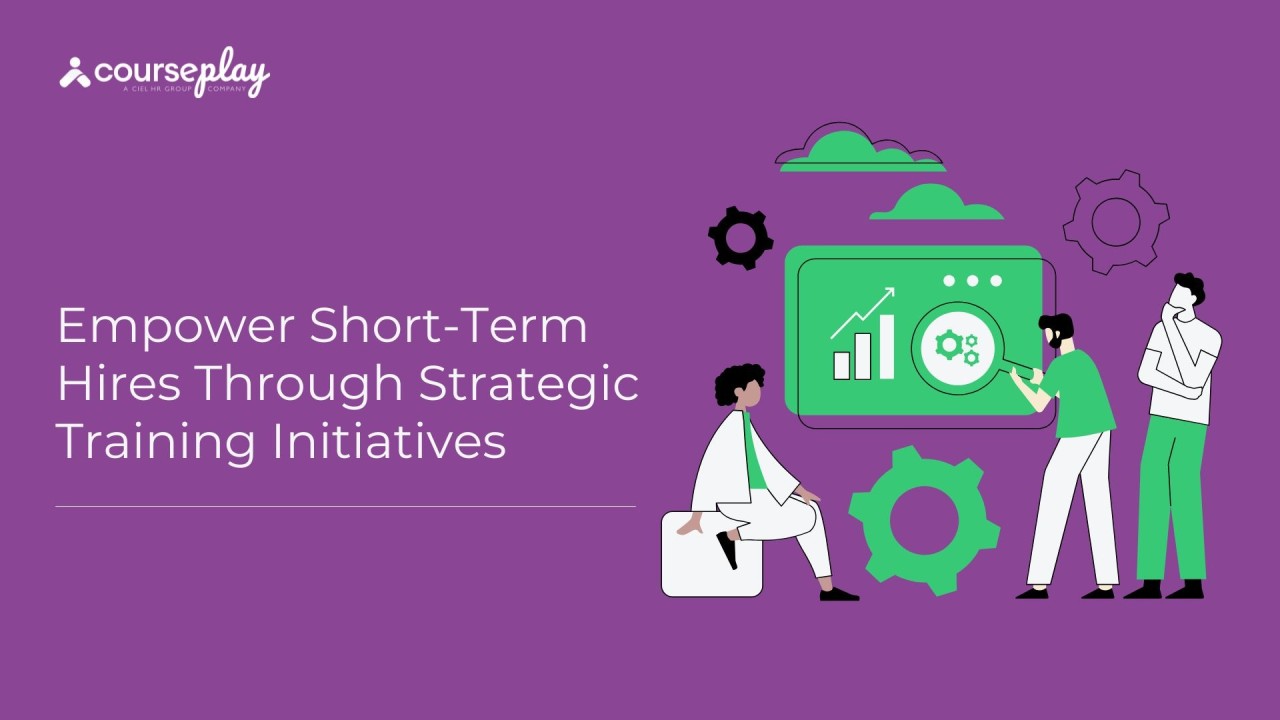
Empower Short-Term Hires Through Strategic Training Initiatives

The landscape of seasonal employment is changing, and so should how we train and develop short-term hires. Improving learning and development strategies for temporary staff is not just about teaching essential skills; it’s about fostering a mutually beneficial relationship where both the organisation and the individual thrive, even in a limited time frame.

At the core of this enhanced approach is the recognition that every interaction with a seasonal employee is an opportunity for mutual growth. By viewing short-term hires not as stopgap measures but as potential long-term assets, organisations can design training programs that offer profound value, irrespective of the duration of employment.

One pivotal aspect of this strategic L&D approach is the implementation of accelerated learning programs. These initiatives are meticulously crafted to condense essential knowledge and skills into intensive, high-impact training sessions. By leveraging advanced pedagogical techniques such as spaced repetition, active recall, and experiential learning, organisations can ensure that seasonal employees rapidly acquire and retain critical information.

Moreover, integrating cutting-edge technology in training delivery can significantly amplify the effectiveness of these programs. It can provide immersive learning experiences that allow seasonal staff to practice complex scenarios in a risk-free environment. This not only accelerates skill acquisition but also boosts confidence, enabling new hires to perform at a higher level from the outset.

Another crucial element in enhancing L&D for short-term hires is the development of modular, role-specific training content. By breaking down complex job functions into discrete, easily digestible modules, organisations can provide targeted training that addresses the specific needs of each position. This approach ensures that seasonal employees receive precisely the knowledge they need to excel in their roles, without being overwhelmed by extraneous information.

Furthermore, the implementation of a robust mentorship program can serve as a powerful catalyst for rapid skill development and cultural integration. Pairing seasonal hires with experienced staff members creates a dynamic learning environment where knowledge transfer occurs organically through day-to-day interactions. This not only enhances the technical proficiency of short-term employees but also helps them assimilate the company’s values and operational nuances more effectively.

The concept of ‘micro-credentialing’ presents another innovative avenue for enhancing the value proposition of seasonal employment. By offering short, focused courses that result in recognised certifications, organisations can provide tangible benefits that extend beyond the duration of temporary employment. These micro-credentials not only incentivise learning but also enhance the employability of seasonal staff, potentially creating a pool of highly motivated returnees for future hiring cycles.

Additionally, the incorporation of gamification elements in training programs can significantly boost engagement and knowledge retention among short-term hires. By introducing elements of competition, achievement, and reward into the learning process, organisations can transform what might otherwise be viewed as mundane training into an engaging and memorable experience.

It is also crucial to establish a continuous feedback loop that allows for real-time adjustments to training initiatives. Regular check-ins, performance assessments, and open channels for communication enable organisations to identify and address learning gaps promptly, ensuring that the L&D strategy remains aligned with both organisational needs and employee development goals.

Moreover, the creation of a comprehensive knowledge base or digital learning platform can serve as a valuable resource for seasonal employees. This repository of information, accessible on-demand, allows short-term staff to reinforce their learning, seek clarification on complex issues, and continue their development independently, even outside of structured training sessions.

Lastly, it is imperative to view the enhancement of L&D programs for seasonal hires as an investment in the organisation’s long-term success. By providing high-quality training experiences, companies not only improve the performance of their temporary workforce but also enhance their reputation as employers of choice. This can lead to a virtuous cycle where the caliber of seasonal applicants improves year over year, ultimately elevating the overall quality of the workforce.

In conclusion, by reimagining Learning and Development strategies for short-term hires, organisations can create a win-win scenario that drives operational excellence during peak seasons while simultaneously fostering a culture of continuous improvement and employee empowerment.

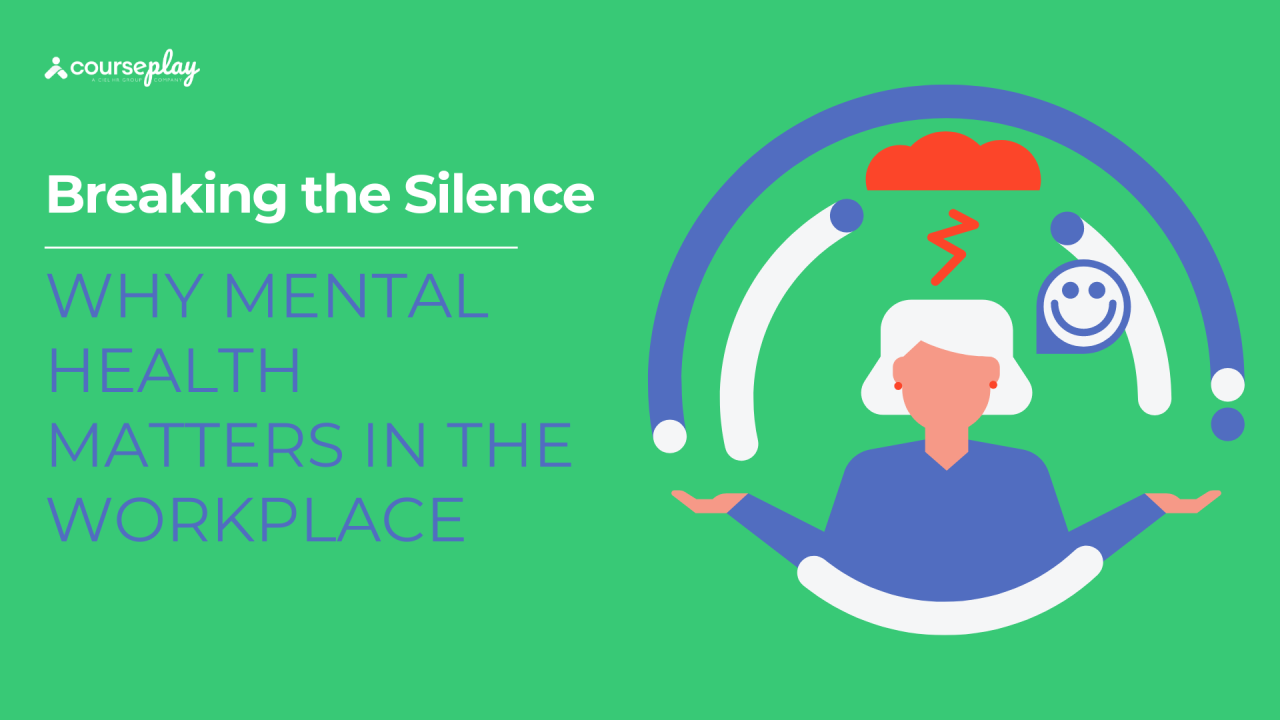
Breaking the Silence: Why Mental Health Matters in the Workplace

We often celebrate productivity, innovation, and resilience. But there’s an elephant in the room that we can no longer ignore: mental health. Stress seems to have become almost everyone’s unwelcome office buddy, silently joining emails and meeting invites. But what are the stress traps at work? Looming deadlines, unclear job roles, and tech glitches can send stress levels rocketing. Whether it’s the incessant ping of notifications or the pressure to zigzag through back-to-back presentations, many of us have felt the pinch. Yet, how many times have we paused to identify these stressors lurking in our daily grind? Imagine initiating a quick huddle to brainstorm and identify these stress monsters in your organisation; sometimes, just talking about what gets to us can be the first step to figuring out a remedy.

The Hidden Cost of Silence

Did you know that 1 in 5 adults experiences a mental health issue each year? Yet, in the workplace, these struggles often remain unspoken. The cost of this silence is staggering:

– Reduced productivity

– Increased absenteeism

– Higher turnover rates

– Negative impact on team morale

Creating a Supportive Work Environment

Here are some steps organisations can take to foster a mentally healthy workplace:

1. Open Communication: Encourage dialogue about mental health. Make it clear that it’s okay to not be okay.

2. Mental Health Training: Equip managers with the skills to recognise and support employees facing mental health challenges.

3. Flexible Work Arrangements: Offer options that help employees maintain a healthy work-life balance.

4. Employee Assistance Programs (EAPs): Provide access to confidential counseling and support services.

5. Wellness Initiatives: Implement programs that promote overall well-being, including mental health.

A Call to Action

As professionals, we have the power to create change. Let’s start by:

– Checking in with our colleagues

– Advocating for mental health resources in our workplaces

– Sharing our own stories to break the stigma

Remember, a mentally healthy workplace is not just good for employees—it’s good for business. It leads to increased productivity, creativity, and overall job satisfaction.

Let’s make mental health a priority in our workplaces. Together, we can create environments where everyone can thrive, both personally and professionally.

What steps will you take today to promote mental health in your workplace?

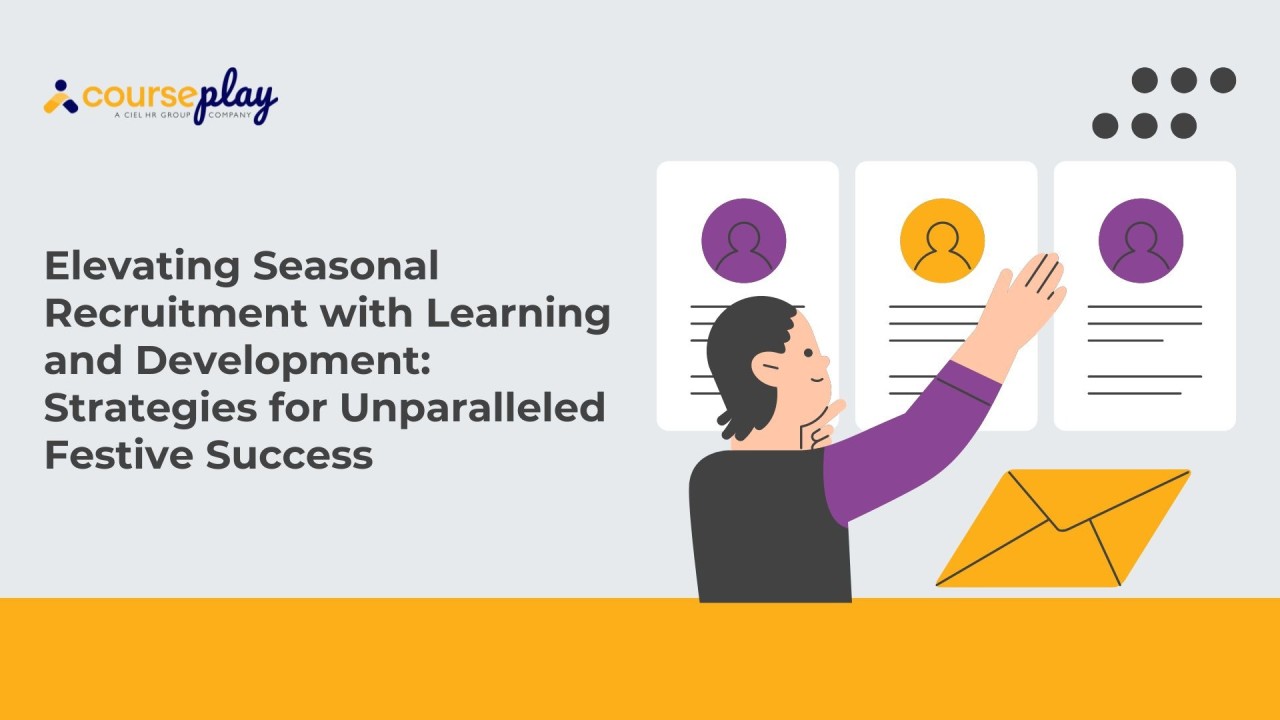
Elevating Seasonal Recruitment with Learning and Development: Strategies for Unparalleled Festive Success

As the festive season approaches, businesses across industries find themselves at a critical juncture, where the art of recruitment takes center stage. The ability to orchestrate a seamless festive hiring process can be the linchpin that determines an organisation’s success during this pivotal time of year. It is not merely about filling positions; it is about strategically augmenting your workforce with individuals who can seamlessly integrate into your company’s ethos and contribute meaningfully, even if their tenure is temporary.

The significance of getting festive hiring right cannot be overstated. It is a delicate balance of meeting increased demand, maintaining service quality and preserving the company culture that has been carefully cultivated throughout the year. A well-executed seasonal recruitment strategy can be the difference between capitalising on the holiday rush and succumbing to its pressures. It is an opportunity to not only meet immediate needs but also to potentially discover talent that could transition into long-term assets for the organisation.

Moreover, the repercussions of subpar seasonal hiring extend far beyond the immediate holiday period. It can lead to diminished customer satisfaction, increased stress on permanent staff and a tarnished brand reputation that may linger long after the decorations have been packed away. Conversely, a meticulously planned and executed festive recruitment drive can elevate your brand, boost morale, and set a new standard for operational excellence.

As we delve deeper into the intricacies of revamping your festive recruitment for maximum impact, we will explore sophisticated strategies that go beyond conventional hiring practices. We will examine how to forecast demand with precision, integrate learning and development initiatives that benefit both short-term hires and the organisation, and create a recruitment framework that not only meets immediate needs but also lays the groundwork for future success.

Precision in Predicting Staffing Requirements

The cornerstone of an effective festive hiring strategy lies in the accurate identification of your staffing needs. This process demands a nuanced approach that goes beyond simple historical data analysis. It requires a comprehensive examination of various factors that can influence demand during the holiday season.

To begin, one must engage in a meticulous forecasting exercise. This involves scrutinising past seasonal trends, but with a discerning eye that accounts for the evolving nature of consumer behavior and market dynamics. Historical data should serve as a foundation, not a definitive guide. It is crucial to overlay this information with current market intelligence, economic indicators, and industry-specific projections.

However, numbers alone do not tell the full story. Qualitative insights from department heads, front-line managers and even customer feedback can provide invaluable context to quantitative data. These stakeholders can offer nuanced perspectives on the specific skills and attributes required to excel in various roles during the high-pressure festive period.

Additionally, it is imperative to consider the broader operational landscape. This includes an assessment of your current workforce’s capacity, potential attrition rates, and the impact of any planned marketing campaigns or promotions that could drive unexpected spikes in demand. A holistic view ensures that your hiring strategy is not just reactive but proactively aligned with your overall business objectives.

Furthermore, the concept of workforce flexibility should be at the forefront of your planning. The ability to scale your workforce up or down quickly in response to real-time demand fluctuations can be a significant competitive advantage. This might involve creating a pool of on-call workers or partnering with staffing agencies that can provide rapid deployment of qualified personnel.

Lastly, do not overlook the importance of scenario planning. Develop multiple staffing models based on different potential outcomes – from conservative estimates to best-case scenarios. This approach ensures that your recruitment strategy is robust and adaptable, capable of responding to unforeseen circumstances without compromising operational efficiency.

By employing these sophisticated HR planning techniques, you can create a festive hiring strategy that is both precise and flexible, positioning your organisation to meet the challenges of the season with confidence and agility.

Integrating Learning and Development in Seasonal Recruitment

In the realm of festive hiring, the integration of robust Learning and Development (L&D) strategies is not merely an added benefit; it is a critical component that can significantly elevate the efficacy of your seasonal workforce. The misconception that short-term employees do not warrant substantial investment in training is a perspective that progressive organisations must emphatically reject.

A sophisticated L&D approach for seasonal hires begins with the recognition that these individuals, though temporary, are ambassadors of your brand during one of the most crucial periods of the business year. As such, their ability to embody your company’s values, understand your products or services intimately, and deliver exceptional customer experiences is paramount.

The first step in crafting an effective L&D strategy for festive recruitment is to develop a comprehensive onboarding program that goes beyond basic orientation. This program should be designed to immerse new hires in your company culture rapidly, aligning them with your mission and vision. It should provide a clear roadmap of expectations, performance metrics, and the specific role they play in the organisation’s seasonal success.

Moreover, the utilisation of cutting-edge learning technologies can dramatically enhance the efficiency and effectiveness of your training initiatives. Microlearning platforms, for instance, can deliver bite-sized, highly focused content that seasonal employees can easily digest and apply immediately. Virtual and augmented reality simulations can provide immersive training experiences, allowing new hires to practice handling complex customer scenarios or mastering intricate processes in a risk-free environment.

Another crucial aspect of L&D in festive hiring is the implementation of a mentorship or buddy system. Pairing seasonal employees with experienced staff members can facilitate rapid knowledge transfer, provide real-time support, and foster a sense of belonging that is often challenging to cultivate in short-term roles. This approach not only accelerates the learning curve but also contributes to a more cohesive and supportive work environment.

Furthermore, the development of role-specific training modules that address the unique challenges of the festive season is essential. These modules should focus on honing skills such as managing high-stress situations, efficient multitasking, and maintaining composure during peak customer interactions. By equipping your seasonal workforce with these specialised skills, you enhance their ability to perform effectively under pressure.

It is also prudent to incorporate continuous learning opportunities throughout seasonal employment. Regular micro-training sessions, daily briefings, and access to on-demand learning resources can help reinforce key concepts and address emerging challenges in real time. This ongoing development not only improves performance but also demonstrates a commitment to employee growth, potentially increasing retention and the likelihood of seasonal staff returning in subsequent years.

Moreover, the implementation of gamification elements in your L&D programs can significantly boost engagement and knowledge retention among seasonal hires. By turning learning into a competitive and rewarding experience, you can motivate employees to actively participate in their own development and strive for excellence in their roles.

Lastly, it is crucial to establish a feedback loop that allows for the continuous refinement of your L&D strategies. Regularly soliciting input from seasonal employees, permanent staff, and customers can provide valuable insights into the effectiveness of your training programs and identify areas for improvement.

By placing a strong emphasis on Learning and Development within your festive hiring strategy, you not only enhance the capabilities of your seasonal workforce but also create a more resilient and adaptable organisation capable of excelling during the most demanding times of the year.

Crafting a Blueprint for Seasonal Staffing Excellence

As we draw this discourse to a close, it is imperative to distill the essence of our exploration into a cohesive framework for revamping your festive recruitment strategy. The journey towards achieving maximum impact in seasonal hiring is multifaceted, requiring a harmonious blend of foresight, innovation, and adaptability.

The enhancement of training initiatives for short-term hires represents a paradigm shift in approach. By implementing accelerated learning programs, leveraging immersive technologies, and offering micro-credentials, organisations can create a symbiotic relationship where both the company and the individual derive substantial benefits, even within the limited timeframe of seasonal employment.

It is also crucial to recognise that the impact of a well-executed festive recruitment strategy extends far beyond the immediate holiday season. It has the potential to elevate your brand, boost overall workforce morale, and set new standards for operational excellence. Moreover, by providing exceptional experiences to seasonal employees, organisations can cultivate a pool of high-caliber candidates for future hiring cycles, creating a virtuous cycle of talent acquisition and development.

In conclusion, the revamping of your festive recruitment strategy is not merely an operational necessity; it is a strategic imperative that can significantly influence your organisation’s overall success. By embracing sophisticated HR planning techniques, integrating advanced learning and development strategies, and viewing seasonal hiring through a lens of long-term value creation, you position your company not just to survive the holiday rush, but to thrive and set new benchmarks in your industry.

Let this be the year that your festive hiring strategy becomes a case study in excellence, setting new standards in your industry and creating a lasting impact that resonates well beyond the holiday season.


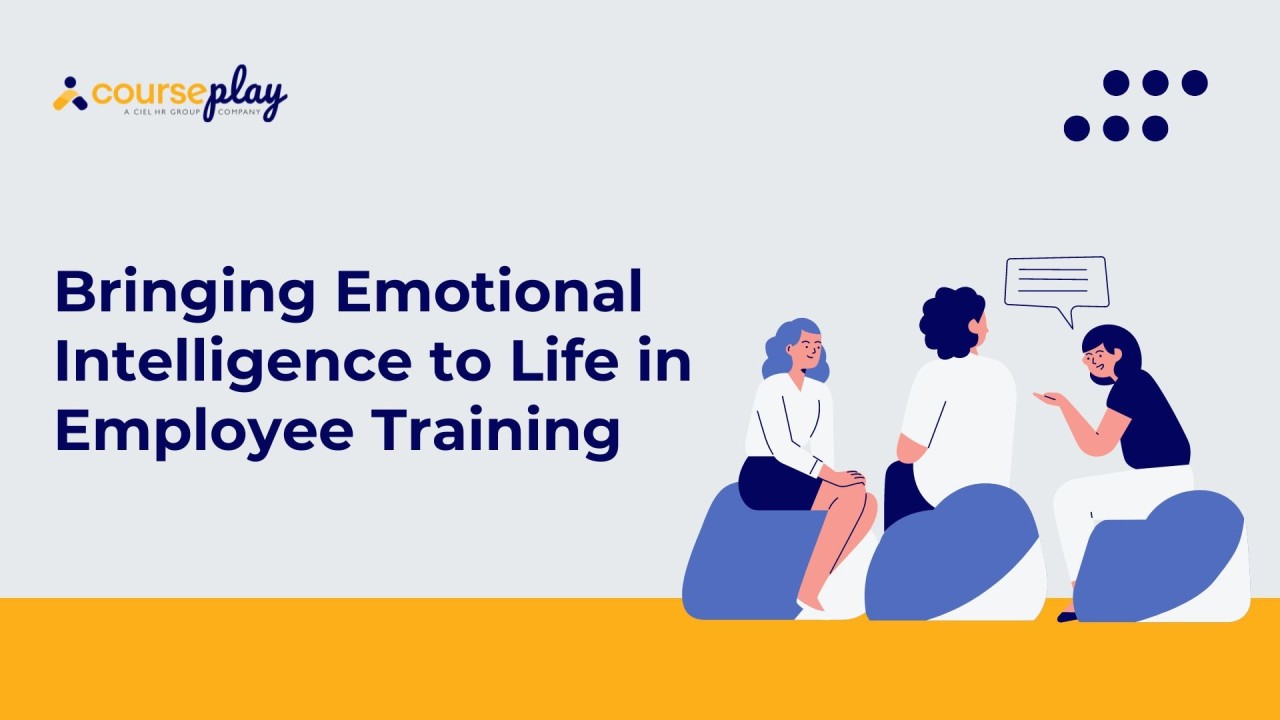
Bringing Emotional Intelligence to Life in Employee Training

Let’s face it—employee training isn’t what it used to be. Gone are the days when training meant sitting through tedious lecture after lecture. Today, employee training has had to evolve. There is a growing emphasis on developing soft skills, particularly Emotional Intelligence (EI).

The increasing focus on EI can be attributed to the shifting demands of the contemporary workplace. Organizations are recognizing the profound impact of emotionally intelligent employees who demonstrate higher levels of satisfaction, engagement, and overall productivity. Daniel Goleman’s Model of Emotional Intelligence has emerged as a key framework, backed by scientific research, to cultivate well-rounded, emotionally astute employees.

Goleman’s EI Model Breakdown

Understanding Goleman’s EI Model is like cracking the code of human behavior in the workplace. Daniel Goleman, a psychologist and science journalist, introduced this model which breaks down Emotional Intelligence into five key components:

1. Self-awareness: This is the ability to recognize and understand your own emotions. It’s about knowing your strengths, weaknesses, and how your emotions affect others. Imagine what it would be like if everyone knew their triggers and responses. We’d have a lot less workplace drama, that’s for sure.

2. Self-regulation: Once you’re aware of your emotions, the next step is controlling them. Self-regulation involves managing your emotional reactions and not acting impulsively. Think of it as emotional self-discipline, which can be a game-changer in high-stress situations.

3. Motivation: Not just any motivation, but intrinsic motivation—the drive from within. Employees with high EI are motivated by more than just money or promotions. They are passionate, take initiative, and have a strong drive to achieve.

4. Empathy: This is where we step outside ourselves and into someone else’s shoes. Empathy is essential for building strong relationships and understanding others’ emotional states. It’s about genuinely caring for your team and creating a supportive work environment.

5. Social skills: Finally, social skills are all about managing relationships to move people in desired directions, whether that’s persuading them, leading them, or just working harmoniously. Strong social skills lead to stronger team dynamics and better collaboration.

Practical Applications in Training Modules

The effective integration of Emotional Intelligence (EI) principles into employee training modules requires practical and actionable approaches. To enhance self-awareness, incorporate personality assessments and feedback sessions, providing a safe environment for open discussions.

For self-regulation, utilize simulation activities such as role-playing scenarios to help employees practice managing emotional responses. Consider crisis management drills to build emotional resilience.

To address motivation, conduct goal-setting workshops that align personal and professional goals with both intrinsic motivators and company objectives. Offer platforms where they can share their achievements and motivate each other, fostering a culture of continuous improvement.

Empathy can be cultivated through real-life experiences, such as volunteer programs, team-building activities, and cross-departmental projects. Providing opportunities for employees to experience different roles and responsibilities within the company fosters an understanding of diverse perspectives.

Finally, to enhance social skills, focus on communication and teamwork exercises. Workshops on conflict resolution, collaborative projects, and networking events are effective for honing social skills. Encourage mentorship programs to promote peer learning and support newer employees through guidance from experienced colleagues.

Measuring EI Impact

So you’ve implemented EI into your training modules. Now the big question: how do you measure its impact? Measuring Emotional Intelligence might not be as straightforward as tracking sales numbers, but it’s doable with the right tools and methodologies.

One approach is to use pre- and post-assessment surveys. These can gauge employees’ understanding and application of EI principles before and after the training. Use a mix of self-assessment and peer reviews to get a balanced view.

Another method is observing behavioral changes over time. Managers can monitor changes in how employees handle stress, manage conflicts, or collaborate on team projects. Regular feedback sessions where managers and peers discuss noticeable changes can offer valuable qualitative data.

Employee engagement and satisfaction surveys can also be telling. A rise in these metrics post-EI training can indicate a positive impact. Additionally, consider tracking retention rates and any changes in performance metrics. Lower turnover rates and improved performance can be strong indicators that EI training is working.

Finally, consider implementing 360-degree feedback systems. These involve collecting feedback from an employee’s subordinates, peers, and supervisors, as well as a self-evaluation. This all-around perspective can provide insightful data on someone’s emotional intelligence in action.

Conclusion

Incorporating Emotional Intelligence (EI) into employee training programs is imperative in today’s dynamic work environment. Goleman’s Model offers a comprehensive framework for cultivating self-awareness, self-regulation, motivation, empathy, and social skills in employees. The advantages are wide-ranging, encompassing improved team dynamics, heightened employee satisfaction, and enhanced overall performance.

The potential for growth, both on a personal and organizational level, is enormous. Take the leap and witness your workforce evolve into a well-attuned, emotionally intelligent entity.

Elevate Your eLearning: What’s In It For Me (WIIFM) from a Learner’s Perspective

In the ever-evolving professional development and eLearning landscape, learners today are more discerning than ever. They can access many resources at their fingertips and often feel overwhelmed by choice. So, what makes one eLearning course stand out from the crowd? The answer lies in the fundamental question every learner subconsciously asks: “What’s in it for me?”. This basic query drives engagement, participation, and ultimately, the success of any learning endeavor. In this article, we delve into the learner’s perspective and explore how leveraging WIIFM can enhance the value of eLearning experiences.

Understanding Learner Needs

From a psychological standpoint, learners are motivated by a variety of factors including personal growth, professional advancement, and sometimes, sheer curiosity. Understanding these motivations is essential for creating high-value eLearning experiences. According to self-determination theory, individuals have innate psychological needs that must be satisfied to foster motivation: competence, autonomy, and relatedness. When these needs are met within the framework of an eLearning course, learners are more likely to be engaged and committed.

At the heart of every successful learning experience is the ability to connect with learners on a personal level. This connection is established by addressing their immediate needs and pain points. For example, an employee who feels undervalued may be looking for courses that offer skill development for career advancement. Similarly, an individual seeking a career change may prioritize courses that provide certification or specialized knowledge.

By taking the time to understand the psychological and motivational aspects of learners, organisations can create learning pathways that not only teach but also inspire. Providing opportunities for learners to see the real-world application of the skills they are acquiring can significantly boost their motivation. This is the essence of WIIFM—a straightforward but powerful principle that centers the learner’s needs and expectations.

Crafting WIIFM-Driven Content

Once organisations have a clear understanding of learner needs, the next step is to design eLearning content that explicitly answers the WIIFM question. Here are some tips for ensuring that your content is learner-centric:

  1. Speak Their Language: Use relatable scenarios and examples that align with the learner’s professional context and personal experiences. Avoid jargon and overly technical language unless it is necessary for the topic.
  2. Highlight Benefits Early: Right from the introduction, make it clear what benefits the learner will gain by completing the course. This could be in the form of potential salary hikes, promotions, skill enhancement, or even personal satisfaction.
  3. Use a Storytelling Approach: People are naturally drawn to stories. Integrating storytelling elements into your eLearning content can make it more engaging and memorable. Case studies, testimonials, and interactive simulations are excellent ways of incorporating storytelling.
  4. Interactive Elements: Incorporate quizzes, challenges, and real-world problem-solving activities that require active participation. Interactive elements not only make learning more engaging but also help reinforce the key takeaways of the course.
  5. Provide Immediate Feedback: Learners appreciate knowing where they stand. Immediate feedback on quizzes and assignments helps learners identify areas for improvement, thereby making the learning experience more purposeful.

Technology’s Role

In today’s digital age, technology is a powerful enabler of personalized and high-value eLearning experiences. AI in training plays a crucial role in customizing learning pathways tailored to individual learner needs. Here’s how technology can enhance WIIFM in eLearning:

  1. Adaptive Learning Algorithms: AI-powered adaptive learning systems can analyze learner behavior and performance, recommending the course content dynamically to match the learner’s pace and understanding. This ensures that learners are neither overwhelmed nor under-challenged.
  2. Personalized Learning Paths: AI can curate personalized learning journeys based on the learner’s previous experiences, skill level, and career goals. This customization ensures that the content remains relevant and aligned with the learner’s objectives.
  3. Interactive Multimedia: The use of videos, infographics, and interactive simulations powered by advanced technologies can make learning more engaging and visually appealing. These tools also cater to different learning styles, making the content accessible to a broader audience.
  4. Real-time Analytics: AI can provide real-time insights into learner engagement and performance through analytics dashboards. This data allows instructors to identify learning gaps promptly and provide targeted interventions.
  5. Social Learning Platforms: Leveraging social media and collaboration tools fosters a community learning environment. Discussion forums, peer reviews, and social interaction make learning a shared experience, thus enhancing its value.

Conclusion – Enhancing eLearning Value

The power of eLearning lies in its ability to adapt to the specific needs and motivations of learners. By putting WIIFM at the center of your eLearning strategies, you can create high-value learning experiences that resonate deeply with your workforce. From understanding learner needs to leverage advanced platforms like Courseplay, the path to effective eLearning is clear.

Chalk Talks: Unveiling the Teacher’s Playbook for Business Success

In the realm of business, we often look to industry titans and Wall Street wizards for inspiration. But what if we told you that the most valuable leadership lessons might be found in the most unexpected place – the classroom? Yes, those very same teachers who shaped our young minds possess a treasure trove of skills that can revolutionize the way we lead in the corporate world.

Teachers are often overlooked, but they possess valuable skills that are comparable to those of business leaders. They excel at engaging their students, developing their potential, managing diverse groups, and adjusting to unexpected situations with poise and expertise.

In this article, we will explore how business leaders can learn from the teaching profession. We will discuss how the core skills of teachers such as communication, empathy, and adaptability – are valuable in the corporate world.

The Teacher’s Toolkit: Essential Skills for Business Leadership

Teachers have a lot of valuable skills that are useful in the business world. Their toolkit is filled with skills that are highly valuable in corporate settings.

Communication: Teachers possess unparalleled expertise in simplifying intricate concepts, adeptly tailoring their communication to their audience. Consider a scenario in which a third-grade teacher breaks down the process of photosynthesis to captivated eight-year-olds. Now visualize a CEO effectively articulating a new corporate vision to a diverse team. The essence of the skill remains unchanged – it revolves around ensuring the message resonates deeply.

Empathy: The ability to empathize is a crucial trait for effective leadership. Teachers connect with students on a personal level, understanding their unique needs, fears, and motivations are better equipped to create a safe and nurturing learning environment. Similarly, in the business world, leaders who demonstrate empathy can cultivate loyalty, enhance morale, and cultivate an atmosphere conducive to innovation.

Adaptability is another gem in the teacher’s crown. Ever seen a teacher smoothly handle a classroom disruption or swiftly change tack when a lesson plan isn’t landing? That’s adaptability in action. In the ever-changing business landscape, leaders who can think on their feet and pivot strategies are worth their weight in gold.

Creativity and Innovation: Teachers constantly come up with new ways to engage students and make learning stick. In the corporate world, this same creative spirit drives product innovation, problem-solving, and the ability to stay ahead of the competition.

Bringing the Classroom to the Boardroom: Actionable Strategies for Leaders

Now that we’ve seen the compelling data supporting the effectiveness of teaching methodologies in business leadership, let’s explore how you can practically integrate these strategies into your leadership style. Here are some actionable steps to bring the best of the classroom into your boardroom:

Foster a Growth Mindset:

Teachers understand that learning is a journey, not a destination. Cultivate a growth mindset in your organization by celebrating effort and progress, not just results. Encourage your team to view challenges as opportunities for learning and growth. Implement a ‘lessons learned’ practice after each project to reinforce this mindset.

Personalize Approach:

Just as teachers adapt their methods to suit different learning styles, tailor your leadership approach to the individual needs and strengths of your team members. Take the time to understand each person’s motivations, communication preferences, and working style. Use this knowledge to provide personalized guidance and support.

Create Interactive Learning Experiences:

Instead of traditional top-down meetings, structure some of your team interactions as interactive learning experiences. Use techniques like role-playing, group problem-solving exercises, or even learning games to engage your team and foster collaborative learning.

Implement Regular Feedback Loops:

Teachers provide ongoing feedback to help students improve. Adopt this practice by implementing regular, constructive feedback sessions with your team. Make these conversations two-way streets, where you both give and receive feedback. This creates a culture of continuous improvement and open communication.

Develop a Mentorship Program:

Channel the teacher’s role as a mentor by establishing a formal mentorship program in your organization. Pair experienced leaders with up-and-coming talent. This not only aids in skill development but also reinforces a culture of learning and growth.

Create a Safe Space for ‘Failure’:

In a classroom, mistakes are viewed as part of the learning process. Foster this mindset in your organization by creating a safe space for experimentation and calculated risk-taking. Encourage your team to view failures as valuable learning experiences rather than setbacks.

Celebrate Small Wins:

Teachers understand the power of positive reinforcement. Make it a point to regularly acknowledge and celebrate small victories and incremental progress. This boosts morale and motivates your team to keep pushing forward.

Foster Peer-to-Peer Learning:

Encourage knowledge sharing within your team, much like how teachers facilitate group work. Set up regular sessions where team members can share their expertise or learnings from recent projects with their colleagues.

Implement ‘Office Hours’:

Adopt the academic practice of office hours. Set aside regular times when you’re available for one-on-one discussions with team members. This creates opportunities for personalized guidance and builds stronger relationships.

By integrating these strategies into your leadership approach, you can create a more engaged, innovative, and high-performing team. Remember, the goal is not to turn your workplace into a school but to harness the powerful methodologies that make great teachers so effective and apply them to drive business success.

Conclusion – Redefining Leadership

As we conclude our journey from the classroom to the boardroom, it’s clear that the worlds of education and business leadership are more closely intertwined than we might have initially thought. The skills that make great teachers – communication, empathy, adaptability, creativity, and more – are the very same qualities that define exceptional business leaders.

But perhaps the most profound takeaway from this exploration is the reminder of the transformative power of education itself. By viewing leadership through the lens of teaching, we are not just improving our management techniques – we are fostering a culture of continuous learning, growth, and development within our organizations.

Remember, great leaders, like great teachers, have the power to inspire, challenge, and bring out the best in others. They create environments where individuals can grow, teams can thrive, and organizations can achieve extraordinary things.

The classroom and the boardroom may seem worlds apart, but in the art of leadership, they are intimately connected. By bridging these two realms, we open up new possibilities for innovation, growth, and success in the business world.

Mentorship and Coaching: Enhancing L&D with Personal Touch

In today’s fast-paced business world, we’re constantly bombarded with new information, skills to master, and challenges to overcome. It’s like being back in that classroom, but now the stakes are higher, and the subjects are our careers and personal growth. That’s where mentorship and coaching come into play – they’re like having a personal tutor who’s invested in your success.

Let’s explore how personalized approaches to learning and development can transform the way we grow in our careers. It’s not just about ticking boxes on a training checklist; it’s about forming connections, gaining insights, and unlocking potential in ways that a one-size-fits-all approach can’t match.

Impact on Employee Engagement – Creating a Personalized Connect

When employees receive mentorship and coaching, they feel valued and understood. This personalized attention translates to higher engagement levels. Think about it: When was the last time you felt genuinely heard? That feeling of being valued boosts morale and encourages active participation. Mentorship bridges the gap between individual aspirations and organizational goals, ensuring that employees are not just participants but active contributors to their growth journey.

Retention – Reducing Turnover with Meaningful Connections

One of the critical challenges in any organization is employee turnover. Mentorship and coaching can be game-changers in this regard. Employees who feel supported and mentored are less likely to leave. They find meaning in their work and are more likely to stay loyal to the company. This personal investment in their growth creates a bond, reducing the need to seek opportunities elsewhere. It’s like having a trusted guide who helps navigate the career roadmap, making the journey more fulfilling.

Performance – Elevating Productivity Through Guidance

Personalized mentorship and coaching have a profound impact on performance. When employees receive tailored guidance, their strengths are amplified, and their weaknesses are addressed effectively. Imagine having someone who knows your potential and works with you to unlock it. This targeted support leads to improved productivity and innovation. Employees become more confident and competent, driving the overall performance of the organization. It’s a win-win situation for both the individual and the company.

Creating a Mentorship Culture – Practical Steps

For organizations looking to embed a culture of mentorship and coaching, it begins with creating an inclusive and supportive environment. Encourage leaders to take an active role in mentoring their teams. Provide training for mentors to ensure they have the skills needed to guide effectively. Foster open communication channels where employees feel comfortable seeking mentorship. It’s about building a community where knowledge and support flow freely, enabling everyone to thrive together.

Conclusion – Embracing Personalized L&D for Success

Mentorship and coaching are not just add-ons to L&D programs; they are vital components that bring a personalized touch to employee growth. They enhance engagement, retention, and performance by creating meaningful connections and support systems. As organizations, embracing these practices can lead to a more motivated, loyal, and productive workforce. Share your own experiences and insights on how mentorship and coaching have impacted your professional journey.

Beyond Metrics: Cultivating True Belonging in L&D

In the dynamic world of Learning and Development, metrics have always held a significant place. They offer tangible proof of progress, effectiveness, and return on investment. However, when it comes to cultivating a culture of belonging in the workplace, traditional metrics often fall short. Can numbers truly capture the sense of inclusion, respect, and unity that defines belonging?

A culture of belonging is built on feelings, connections, and shared values—elements that are inherently challenging to quantify. This intangibility makes belonging so powerful and vital for sustainable growth. Rather than solely focusing on numbers, organizations need to delve deeper into the human aspects of L&D, appreciating the diverse experiences of their workforce.

Fostering a Culture of Belonging in L&D

Creating a culture of belonging isn’t about implementing a one-size-fits-all program or checking boxes on a diversity checklist. It’s about weaving inclusivity and connection into the very fabric of your L&D initiatives. Here’s how some forward-thinking organizations are making it happen:

  1. Inclusive Training Programs: It’s not just about what you teach, but how you teach it and it goes beyond content. It’s about creating an environment where everyone feels comfortable participating. This might mean offering multiple formats for learning (visual, auditory, kinesthetic), providing accommodations for different abilities, or simply encouraging a range of voices to be heard during discussions.
  2. Peer-to-Peer Learning: There’s something magical about learning from your colleagues. It creates connections, breaks down hierarchical barriers, and taps into the wealth of knowledge within the organization. This approach facilitates learning and also gives employees a platform to shine and contribute in unique ways. It’s a powerful way of saying, Your knowledge and experience are valuable to us.
  3. Personalized Learning Paths: One-size-fits-all training is out; personalized learning is in. AI-powered learning platforms like Courseplay are here to create individualized learning journeys for each employee. These paths take into account not just an employee’s current role and skills gap, but also their career aspirations and learning preferences. By tailoring the learning experience, it sends a clear message: “We see you as an individual, and we are invested in your unique growth journey.”
  4. Cross-Functional Learning Groups: Breaking down silos is crucial for fostering a sense of belonging across an organization. Cross-functional learning cohorts, where employees from different departments come together for shared learning experiences. This not only broadens perspectives but also creates connections that span the organizational chart.
  5. Cultural Competence Training: In the increasingly global workplaces, cultural competence is more important than ever. But it’s not just about avoiding faux pas; it’s about creating an environment where diverse perspectives are truly valued.

Remember, creating a culture of belonging in L&D isn’t about implementing all of these initiatives at once. It’s about finding the right mix for your organization and continuously refining your approach based on feedback and results.

The Benefits of Belonging for Employees and Organizations

The impact of fostering a culture of belonging in L&D is profound and multifaceted. For employees, a sense of belonging translates into higher levels of engagement, satisfaction, and loyalty. When employees feel they are an integral part of the organization, they are more likely to invest their time, energy, and creativity into their roles. This heightened engagement often leads to increased productivity, better collaboration, and fewer turnovers.

For organizations, the advantages extend beyond immediate performance improvements. A culture of belonging can enhance the company’s reputation as an inclusive and desirable workplace, attracting top talent from diverse backgrounds. It also fosters innovation, as diverse teams are known to bring a broader range of perspectives and ideas, leading to more creative solutions and better decision-making processes.

Moreover, the emotional and psychological well-being of employees is significantly enhanced in a culture of belonging. Reduced stress levels, better mental health, and a greater sense of purpose contribute to overall well-being, which in turn, supports sustained performance and growth. Investing in belonging is not just a business strategy; it’s a commitment to building a thriving and sustainable organizational culture.

Conclusion

Cultivating a culture of belonging within Learning and Development is an ongoing journey that requires deliberate effort and thoughtful strategies. First, organizations should start by assessing their current L&D programs with a critical eye toward inclusivity. Are training materials diverse and representative? Are learning platforms accessible to all employees, regardless of their needs or backgrounds? Addressing these questions is a step toward creating a more inclusive learning environment.

While traditional L&D metrics provide valuable insights, they cannot capture the full essence of belonging. By focusing on inclusive training, continuous feedback, and personalized development paths, organizations can foster a culture where every employee feels valued, engaged, and connected. The benefits of such a culture are immense, driving not only individual growth but also collective success and resilience.

Thanks — your message has been sent! Our team will get back to you shortly.
Something went wrong sending your message. Please check the form and try again.
Please use your business email address to submit a partnership enquiry.

Talk to Sales

Tell us a bit about your organization and we’ll set up a personalized demo.

We typically respond within 1 business day.